HOME.
BACK.
At last! Macao charges for plastic bags
The Official Gazette of Macao Special Administrative Region published Law No. 16/2019 "Limiting the Provision of Plastic Bags" in August. The law will come into effect on November 18 this year, which restricts the provision of plastic bags in retails, stipulating that the amount of each plastic bag is MOP1, attempt to reduce the negative impact of plastic bags on the environment.
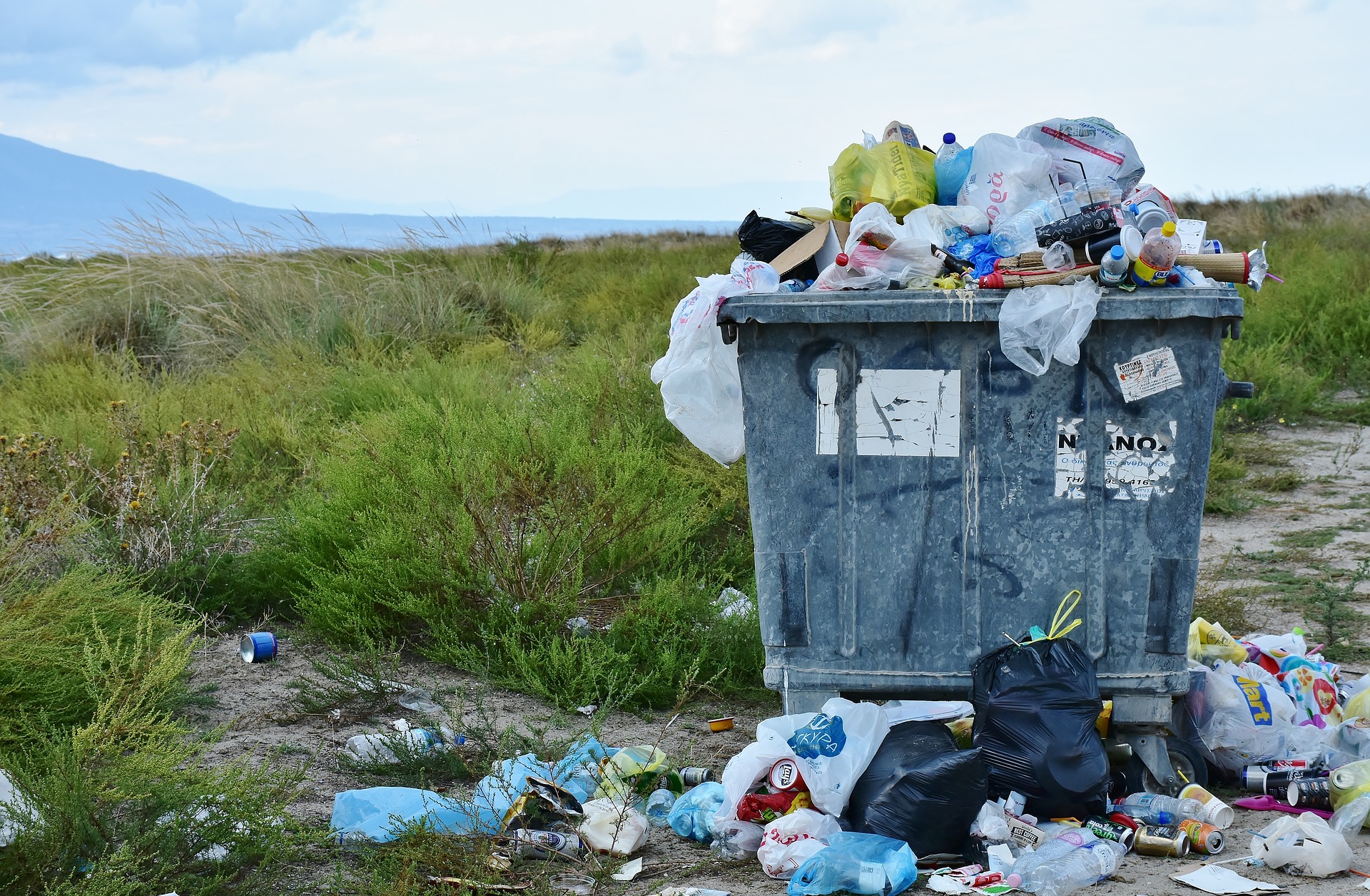
The Environmental Protection Bureau said the main purpose of the law is to limit the abuse of plastic bags. Consumers are expected to reduce the use of plastic bags and cultivate the habit of bringing their own bags when shopping.
Compared to cities nearby, Macao has fallen behind in environmental protection. Back to July 7, 2009, plastic shopping bags began to be charged five cents in Hong Kong, and from April 1, 2015, the plastic bag tax was fully implemented. Though the law is finally introduced 10 years later in Macao, it is welcomed by local people.
The Inner Harbor of Macao is heavily polluted. Plastic bags, trash and dead fish can be seen nearby the coast; the water stinks in summer. Plastics do not decompose naturally but become tiny fragments or even powders that will be absorbed by marine organisms such as fish into their bodies. Then humans inhale plastic elements by consuming affected aquatic products. As a result, human health is threatened.
 "Better late than absent," said Mr. Deng, who has been living in Macao for 40 years. He thought it is necessary to charge plastic bags, even most of the Macao people will not care about that MOP1, it still can make people realize that the government is taking action in limiting the provision of plastic bags.
Environmentalist Ms. Ho disagreed, she said, "There is no doubt that plastic bags do bring a lot of convenience. Even if more than half of consumers can bring their own eco-bags, as long as there are no other convenient alternatives on the market, plastic bags will continue to be used for a long time." Therefore, it is unrealistic to limit and ban the use of plastic bags only. "This will have a certain effect, but the effect will not be obvious."
Instead of charging plastic bags, the development of biodegradable plastics is the most feasible practice. ?This kind of plastic is more environmentally friendly and can be broken down by microorganisms after a while.? Once biodegradable plastic bags are introduced, those not environmentally friendly bags used currently will be reduced, Ho added.